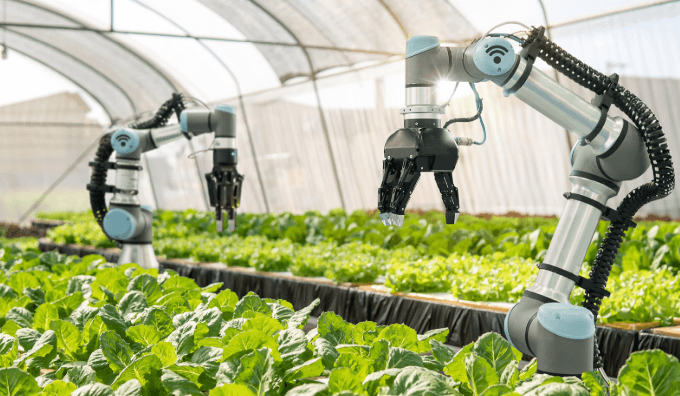

Technology in agriculture is increasingly data-driven and interconnected. Sensors, AI, and scalable pipelines enable precise, proactive management across crops and livestock. Integrated decision tools and drone-enabled mapping support resource optimization and timely interventions. Governance, data standards, and transparent ownership are essential to resilience. Adoption will vary by scale and model, shaping labor implications and value capture. The path forward hinges on interoperable systems and risk-sharing mechanisms that align incentives, inviting ongoing exploration of outcomes and trade-offs.
How Technology Is Transforming Modern Agriculture
Technology is reshaping agriculture by enabling precise, data-driven management across crops, livestock, and input use. The approach emphasizes integrated decision tools, scalable infrastructure, and interoperable data streams. Precision farming and drone mapping support timely interventions, resource optimization, and risk reduction. Systems-oriented planning reveals interdependencies among soil health, water, genetics, and climate, empowering actors to pursue efficient, voluntary, resilient, and freedom-centered farming futures.
Smart Systems: Sensors, AI, and Data That Drive Decisions
Smart systems integrate sensors, AI, and data pipelines to transform decision-making across farm operations. They leverage sensor networks to monitor soil, moisture, and climate, feeding models that optimize inputs and scheduling.
Centralized data governance ensures quality and traceability, while artificial intelligence enables predictive insights and decision automation, aligning resources with goals.
This architecture supports scalable, resilient farming, emphasizing measurable outcomes and freedom through informed choice.
The Promise and Pitfalls: Access, Ownership, and Labor in AgTech
Access to AgTech remains uneven, shaping who can leverage data-driven farming and who is left reliant on external services. The landscape highlights access barriers and diverse ownership models, influencing investment, governance, and control over insights.
Labor impact surfaces in skill requirements and wage implications, urging transparent, scalable systems that balance autonomy with collaboration, fostering equitable, resilient, and forward-looking agricultural ecosystems.
Enabling Resilient Futures: Adoption, Standards, and Economic Impact
Adoption patterns, standards alignment, and economic ramifications collectively shape resilient agricultural futures by translating technological potential into scalable practice.
This assessment traces adoption milestones across cropping and livestock systems, emphasizing interoperable data, open architectures, and scalable pilots.
Economic implications arise from cost trajectories, risk transfer, and policy signals, informing stakeholders about investment returns, resilience payoffs, and sustainable value creation within integrated agri-food networks.
Frequently Asked Questions
What Are the Environmental Costs of Digital Agriculture Technologies?
Environmental externalities include energy use, e-waste, and data-center emissions, offsetting some gains. Resource efficiency improvements reduce inputs and water use, yet convergence with scalable farming raises cumulative impacts. A data-driven, forward-thinking view highlights systemic trade-offs and resilience.
How Can Small Farmers Access Affordable Agtech Tools?
A 40% cost reduction example illustrates how small farmers access affordable agtech via cooperative purchasing, enabling scalable adoption. This approach prioritizes affordable equipment, cooperative purchasing, and data-driven decision making within systems-oriented, forward-thinking frameworks for farmer freedom.
Will Automation Reduce or Increase Farm Employment Long-Term?
Automation is likely to initially increase labor displacement, yet the automation paradox may drive net employment stability as productivity rises; data-driven, systems-oriented analyses suggest transitions create new roles and require adaptable, freedom-focused workforce upskilling.
How Is Data Privacy Protected in Farm Technology Platforms?
Data privacy is safeguarded through robust platform security, explicit consent management, clear data ownership terms, and ongoing risk assessments; systems are designed for transparency, modular control, and user-centric governance to empower farmers while preserving security and autonomy.
See also: What Are the Most Important Blockchain Trends?
Which Crops Benefit Most From Precision Agriculture Innovations?
Crops with uniform water needs, row crops, and specialty cultivars benefit most from precision agriculture. The study highlights precision irrigation and drone budgeting as scalable levers, enabling data-driven decisions, system-wide efficiency, and freedom through optimized resource use.
Conclusion
The trajectory is an impeccably precise machine: sensors, AI, and scalable data pipelines orchestrate crops, livestock, and inputs with near-perfect timing. As interoperable standards multiply, decisions accelerate from insight to intervention, transforming risk into reliability and scarcity into optimization. Ownership models, labor implications, and governance co-evolve, not collide, driving resilient value across agro-food networks. If adoption scales as forecast, productivity and sustainability will surge in lockstep, redefining food security as a data-driven, globally synchronized commons.
